

Protecting Your Family And Future
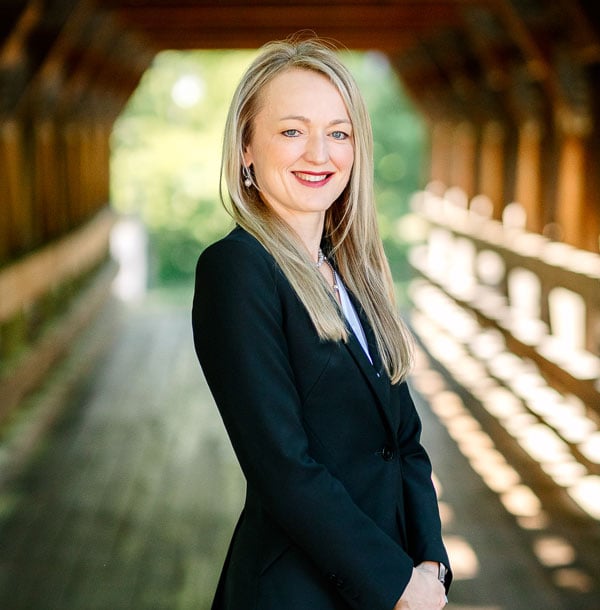
Award-Winning Chicago Divorce Lawyers
Divorce and the difficult decisions that come with it can be emotionally exhausting. The lawyer you work with can make a significant difference not only in the outcome of the important matters that will be addressed but also in how the process plays out. At Blacha Law Office, Ltd., our attorneys have adopted a client-focused approach that aims to ensure that our clients’ voices are heard.
No one is likely to claim that resolving family law concerns is a pleasant endeavor, but it doesn’t have to be stressful. Attorney Monika Blacha has assisted residents of Joliet and Will County with family law issues for more than 20 years. Ms. Blacha and her team of attorneys bring more than 50 cumulative years of family law experience to each case. They use their extensive experience and thorough knowledge of Illinois family law statutes to develop creative legal strategies that achieve each client’s unique objectives.





















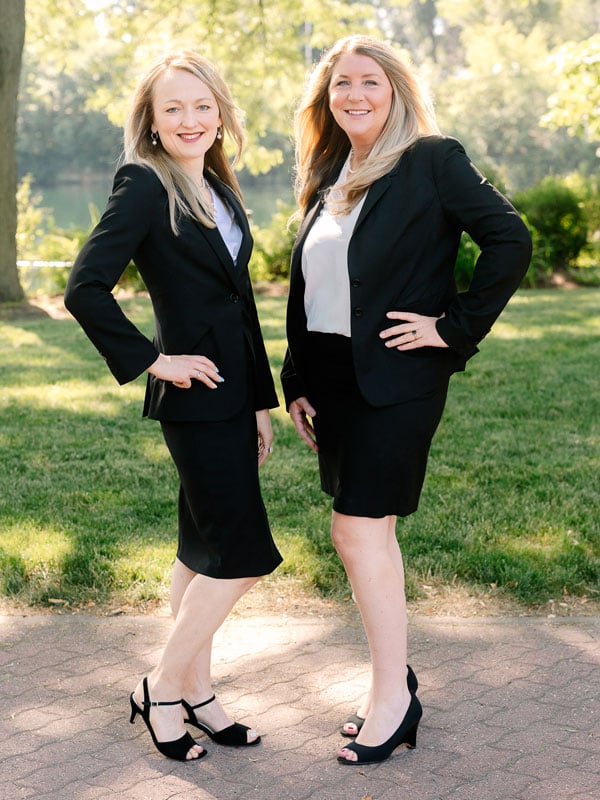
Why Choose Blacha Law Office, Ltd., For Your Divorce In Chicago?
Our award-winning firm is recognized by Super Lawyers, Lawyers of Distinction and Avvo. With over 100-plus years of combined experience, our trusted divorce lawyers will use their extensive knowledge of Illinois family law statutes to craft personalized solutions that align with your unique needs and goals.
- Our skilled legal team is accessible in three different office locations; Naperville, Joliet and Chicago.
- Our firm is available 24/7 for any client who needs legal guidance for their contested divorce, gray divorce or collaborative divorce case in Illinois.
- We offer same-day responses and free initial consultations, which we can conduct virtually or in-person.
Aside from helping individuals navigate their complex divorce issues with confidence, we also provide attentive legal counsel and representation in adoption, probate, juvenile law and DCFS defense cases.
Key Issues In A Chicago Divorce
Every divorce is different, but several legal issues commonly arise in Cook County, Illinois, cases. Here is an overview of the most frequent matters we address.
- Child custody and parenting time: Courts focus on the best interests of the child. We help parents work toward parenting plans that support stability, involvement and long-term family needs.
- Marital asset division: Illinois follows equitable distribution rules. Our divorce lawyers assist with identifying, valuing and dividing property such as homes, retirement accounts and businesses.
- Spousal support: Also known as maintenance, spousal support depends on factors like income, length of the marriage and future earning capacity.
- Child support: Support calculations are based on statutory guidelines and financial disclosures. We help ensure accurate information is presented.
These issues can overlap, and decisions in one area can affect another. Our Chicago divorce attorneys review the full picture and develop a plan that supports your goals.
Understanding The Chicago Divorce Process
Divorce in Chicago, Illinois, follows a structured legal path:
- Filing and service: The process begins with a Petition for Dissolution of Marriage and a Summons. These documents formally start the case and notify the other spouse.
- Discovery and financial disclosures: Both parties exchange required financial affidavits and supporting records. This step helps ensure transparency regarding income, assets and debts.
- Temporary orders and mediation: Temporary court orders may address support, parenting schedules or use of the marital residence while the case is pending. Cook County courts often require mediation to encourage the resolution of disputed issues.
- Settlement or trial: Our firm focuses on negotiated settlements when possible, as they can save time and expense. If an agreement cannot be reached, our divorce lawyers are fully prepared to litigate and present your case in court.
These decisions can set the tone for the rest of the case, which is why working closely with a knowledgeable Chicago divorce attorney during this stage is important.
Is Mediation Or Litigation Right For Your Chicago Divorce?
Choosing how to resolve your divorce depends on your circumstances, goals and the level of cooperation between spouses. A qualified Chicago divorce attorney can help evaluate which approach fits your situation.
- Mediation or collaborative divorce: These options work best when both parties are willing to compromise and want a more private process. They reduce costs and emotional strain while allowing greater control over outcomes.
- Contested divorce and litigation: Litigation may be necessary when there is mistrust, domestic violence, complex financial holdings or serious disputes involving children. In these cases, having a strong lawyer who understands Cook County courtrooms is essential.
A trusted Chicago divorce attorney can help determine whether mediation or litigation best serves your interests in Cook County, Illinois.
Client Testimonials
How Is Property Divided In An Illinois Divorce?
Illinois follows the equitable distribution method when dividing marital property. Although this system may not lead to an exact 50-50 split, the court will prioritize a fair resolution. Judges consider an array of factors, such as income discrepancies, earning potential, financial obligations, standard of living and child custody arrangements.
One key point involves distinguishing marital from nonmarital property. Often, items that couples bring to the marriage or gifts to one spouse only qualify as separate property and need not go through property division. Assets that are earned or acquired during the marriage count as marital assets. This means they must be divided, as both spouses have an ownership claim.
When an Illinois divorce involves a business, one crucial step to take is undergoing a business valuation. This determines the specific value of the business and can help illustrate how it may have grown during the marriage.
To address the marital home, couples often have three options. First, they can sell the home and split the proceeds. Second, they can continue to own the home jointly. Third, one person can buy out the other person’s ownership share and become the sole owner.
For retirement benefit accounts, division can often be handled with a qualified domestic relations order (QDRO). Since retirement benefits are earned during a marriage, a spouse may have a claim to a percentage of the benefits earned by their ex-spouse. The court will determine the percentage by looking at various factors, such as the duration of the marriage.
Courthouse Locations In Chicago And Cook County
It can be beneficial to know the location where your case will be heard, as it differs depending on the type of case and the office that holds jurisdiction.
Divorce And Child Custody Cases
Family law matters are typically the responsibility of the Domestic Relations Division, and most cases are heard at the Richard J. Daley Center. The courthouse address is 50 W. Washington St., Chicago, IL 60602.
Wills And Estates Cases
The Probate Division handles most estate matters. They are also heard at the Richard J. Daley Center, and the probate offices are located on the 18th floor.
Domestic Violence Cases
Many domestic violence cases revolve around issuing civil emergency orders of protection. These critical matters may be handled at the Domestic Violence Courthouse located at 555 W. Harrison St., Chicago, IL 60607.
Your Next Chapter Starts With The Right Chicago Divorce Lawyer
If you are considering divorce or are already involved in a case in Chicago or Cook County, Illinois, Blacha Law Office, Ltd., is ready to discuss your situation.
Call 630-283-1987 today to speak with a dedicated Chicago divorce lawyer who has been helping clients across Illinois since 1999. Free case evaluation.
Chicago Office
Blacha Law Office, Ltd. 33 N. DearbornSuite 1000
Chicago, IL 60602
Telephone: 630-283-1987